

Here what an oxygen sensor is and how it works:
An oxygen sensor (or lambda sensor) is an electronic device that measures the proportion of oxygen (O2) in the gas or liquid being analyzed. It was developed by Robert Bosch GmbH in the late 1960s and is widely used in automobiles to monitor and adjust the air-fuel ratio for optimal combustion and emission control.
- The oxygen sensor consists of a ceramic element (usually zirconia) coated with platinum electrodes on both sides. One side is exposed to the exhaust gas and the other to the ambient air. The difference in oxygen concentration between the two sides creates a voltage signal that is proportional to the oxygen level in the exhaust. The voltage signal is sent to the engine control unit (ECU) which regulates the fuel injection accordingly.
- There are two main types of oxygen sensors: binary and universal. Binary sensors switch between high and low voltage at a certain temperature (around 350 °C) depending on whether the exhaust is rich or lean. Universal sensors have a wider measuring range and can detect the exact air-fuel ratio. They are also more suitable for both gas and diesel engines.
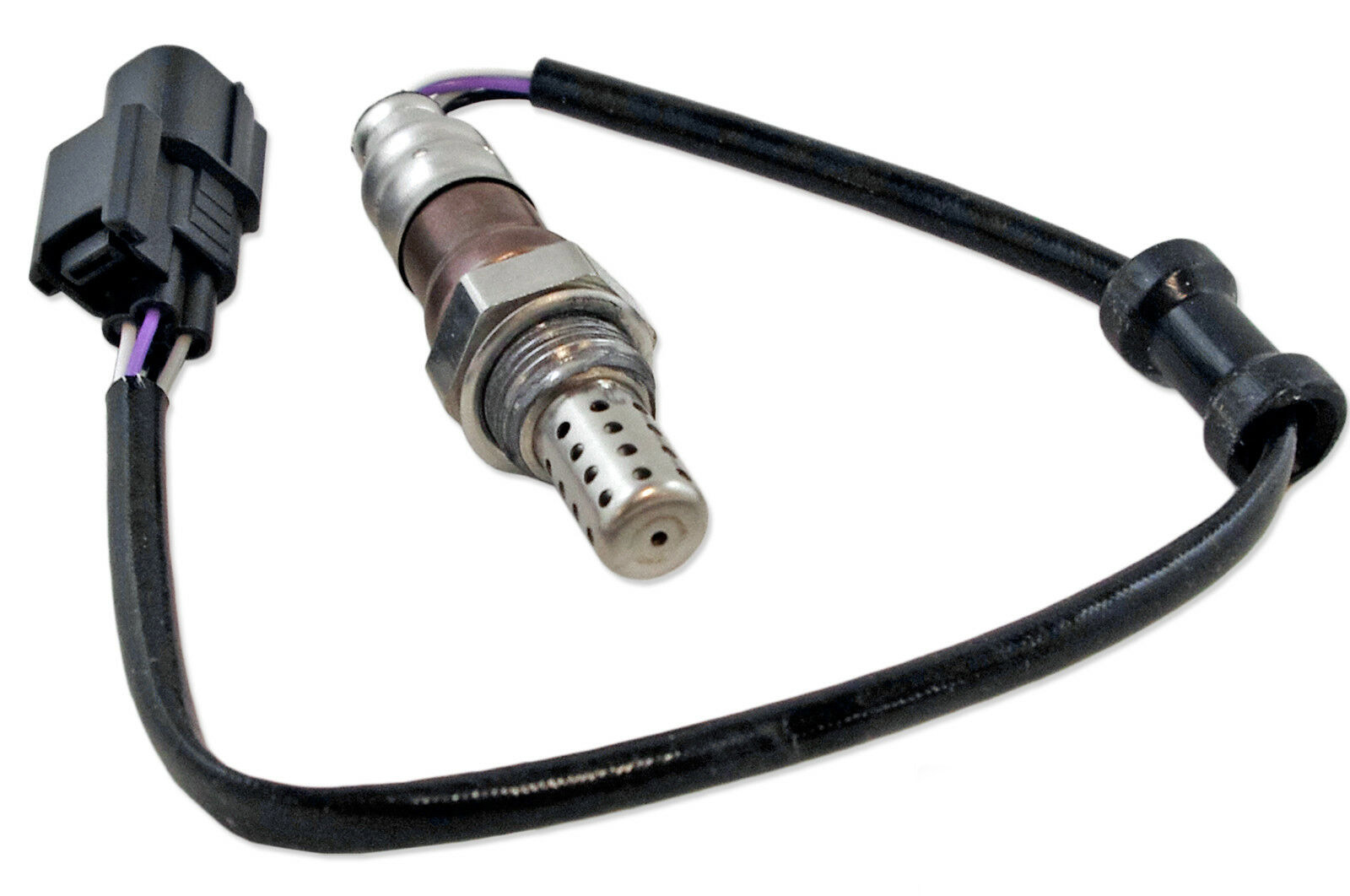
The development of oxygen sensors has been influenced by the advancement of technology and the demand for lower emissions and higher efficiency. Some of the milestones in the history of oxygen sensors are:
- In 1976, the first oxygen sensor was installed in a Volvo 240 car.
- In 1980, California mandated the use of oxygen sensors in all vehicles to reduce emissions.
- In 1990, the planar-style sensor was introduced, which reduced the mass and response time of the sensor and integrated the heater within the ceramic structure.
- In 1996, the OBD-II (On-board diagnostics) system was implemented, which required two oxygen sensors per cylinder bank: one before and one after the catalytic converter. This allowed the ECU to monitor the performance of the converter and detect any faults.
- In 2004, the wideband oxygen sensor (or air-fuel ratio sensor) was developed, which used a different principle (electrochemical pump) to measure the oxygen concentration more accurately and rapidly.
Read Also : Catalytic Converter Failures Symptoms
The Several Symptoms and Failures At Oxygen Sensor in Car
First, you need to understand what oxygen failure means in a car. Oxygen failure is a condition where the oxygen sensor, also known as the O2 sensor, malfunctions and sends incorrect signals to the engine computer. The oxygen sensor measures the amount of oxygen in the exhaust gases and helps adjust the air-fuel mixture for optimal combustion. If the oxygen sensor fails, it can cause various problems for the engine and the environment.
Some of the common symptoms of oxygen failure in a car are:
- Check engine light illuminates. This is the most obvious sign that something is wrong with the oxygen sensor. The engine computer will detect the faulty signal and trigger the check engine light. You can use a code scanner to read the trouble codes and confirm the oxygen sensor problem.
- Decreased fuel efficiency. A bad oxygen sensor can affect the air-fuel ratio and cause the engine to burn more fuel than necessary. This will result in lower gas mileage and higher fuel costs.
- Rough idle and stalling. A bad oxygen sensor can also cause the engine to run rough, misfire, or stall when idling or driving. This is because the engine computer will try to compensate for the incorrect oxygen sensor signal by changing the fuel injection and ignition timing. This can create an imbalance in the engine performance and lead to poor drivability.

- Poor engine performance and power. A bad oxygen sensor can also reduce the engine power and acceleration. This is because the engine will not receive the optimal amount of oxygen and fuel for combustion. The engine will struggle to produce enough torque and horsepower and feel sluggish or hesitant.
- Excessive emissions and failed emissions test. A bad oxygen sensor can also increase the amount of harmful pollutants in the exhaust gases. This is because the engine will not burn the fuel completely and produce more carbon monoxide, hydrocarbons, and nitrogen oxides. These emissions can damage the environment and the catalytic converter. They can also cause the car to fail an emissions test and violate the emission standards.



0 Ulasan